AI. Misinformation. Trust.
Something is wrong with the information around you. You can feel it. This is what you are up against, why it works, and how to see it before it decides for you.
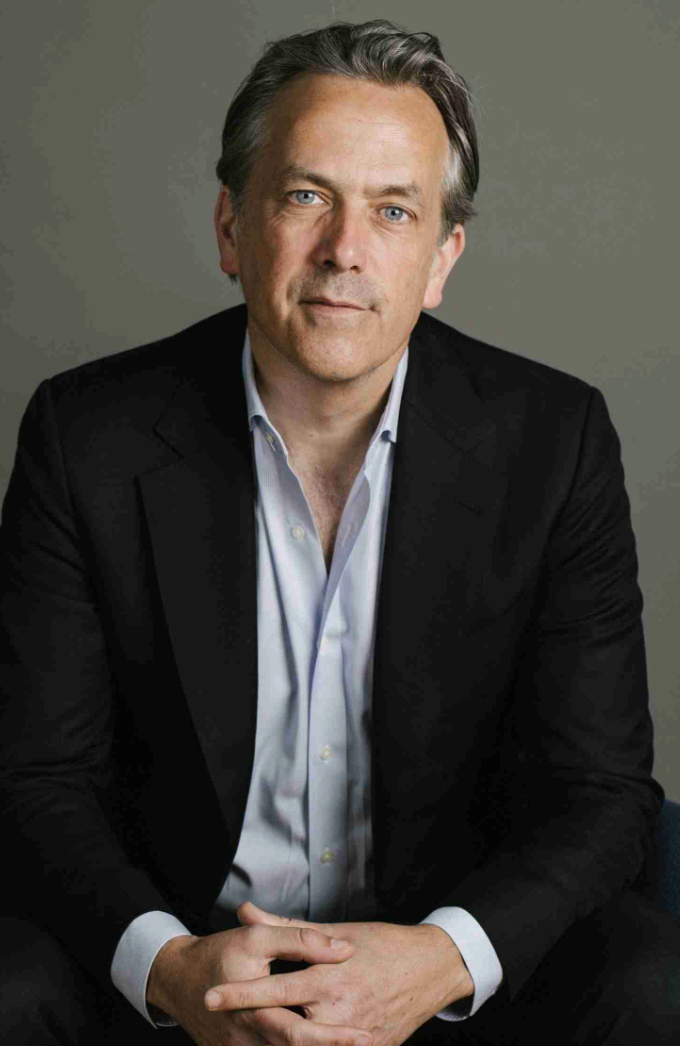
Three decades inside the rooms where information is shaped. Covered conflict zones for CNN, ABC News, and Al Jazeera — where the deliberate manufacture of false reality was a weapon, not a marketing problem. Advises governments and C-suites on mis- and disinformation. A third party. Non-aligned, non-partisan, and unsentimental about the stakes.
Keynote · Fireside · Panel BRIEFINGS — Executive briefing for your team
Half-day · Board session ADVISORY — Ongoing strategic counsel
Standing counsel · Crisis prep
AI is inside your organization. Verification isn't.
AI delivers real productivity gains. The verification layer — where content, policy, and decisions take shape — hasn't kept pace. The exposure sits along three vectors.
Distribution
A chain-of-custody problem. Most teams have no visibility into where data came from or how it was shaped before it reached the model.
Inputs
Upstream manipulation is active. Adversarial content is engineered into the pipeline before any model touches it. Already inside the systems most organizations rely on.
Verification debt
Decisions move on untested signal. By the time a recommendation reaches a decision-maker, the provenance is gone. This isn't a tooling gap. It's a trust one.
“It does not need to fool everyone. It only needs to fool one person inside the organisation — or one agent acting on what looks like clean signal.”
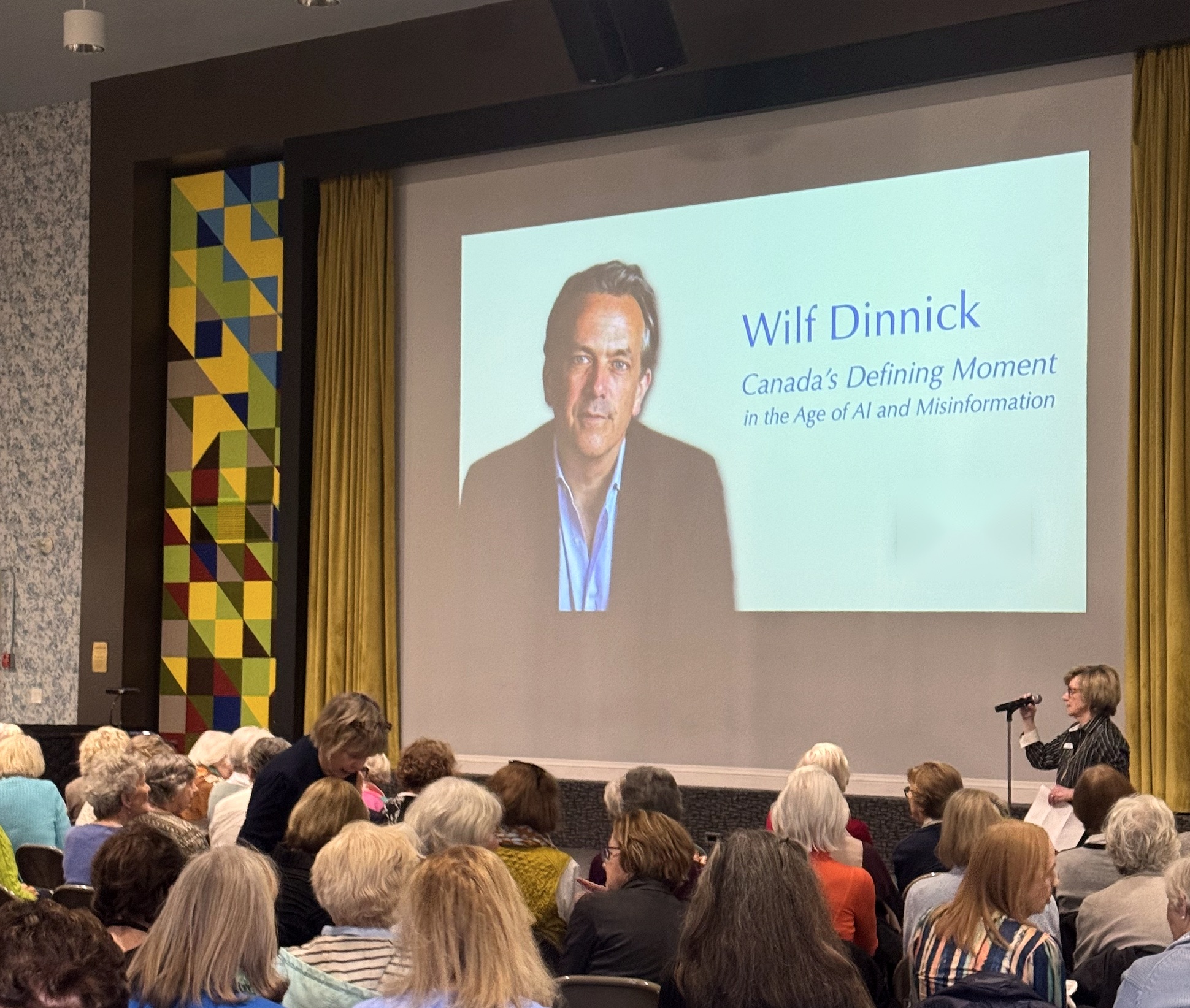
The patterns are old. The speed is new. The consequences are unlike anything we've seen.
You already know more than you think. What works on people hasn't changed. What's changed is how fast it moves and how little you can see. Fast and opaque, faster than anyone can check.
People leave able to spot the patterns at the new speed. Repetition. Emotion. The look of consensus. They name what they're seeing and act before it carries them somewhere they didn't choose to go.
They know what to escalate, what to verify, and what to ignore. They become a check where content and decisions take shape. Most organizations have nothing watching that layer, and missing one signal is costly.
Best of all, they see how the machinery works. What felt fast and opaque becomes clear.
Available as a keynote, a Q&A, or a working session.
The Pattern Recognition Playbook.
A boardroom story. A balance-sheet story. A national-security story. And one that reaches every person in your family.
Wilf has spent decades on camera, in war zones, and running newsrooms. He brings the people behind the headlines, the moments behind the decisions, and the detail that only comes from being there.
Most people take information at face value. Wilf sees how it was built, and who built it. He knows the techniques because he has watched the people using them, sometimes from across a border, sometimes from across a table.
Audiences get a reporter's instinct for story and a strategist's read on consequence. They leave ready to see it coming.
The Plays
The set techniques used to manipulate what you believe. Manufactured urgency, borrowed credibility, the fluency trick, the screen and the blitz.
The Tells
Questions that cut through it. What is the story, who is the source (who benefits), what is it doing? Once you learn to ask the questions, you can spot the patterns.
The Response
Most rooms still treat this as a comms problem. It is bigger. A risk to every system that runs on trusted information. Catching it after the fact is too late. The work is seeing it coming, before it makes the decision for you.
Tailored for the room.
The existential case for information integrity.
This is not a comms problem. It is operational risk. A clear-eyed read on your exposure and a frame for the next quarter.
Executive briefing · Board session · Keynote
The players, the threat, and the decisions being deferred.
Closing the system does not close the pipeline. No model is truly air-gapped.
Policy briefing · Keynote · Fireside
Trust as operating infrastructure.
Corporate affairs must now watch what is reaching your stakeholders — and the AI tools acting on your behalf, sometimes without anyone in the room knowing.
Keynote · Offsite · Fireside
How to see what's shaping what you believe.
Being smart or skeptical is not enough. The techniques are improving faster than our instincts can adapt. Reading the pattern is a skill and it can be learned.
Keynote · Fireside · Public Q&A
Formats.
When the briefing is the start, not the end.
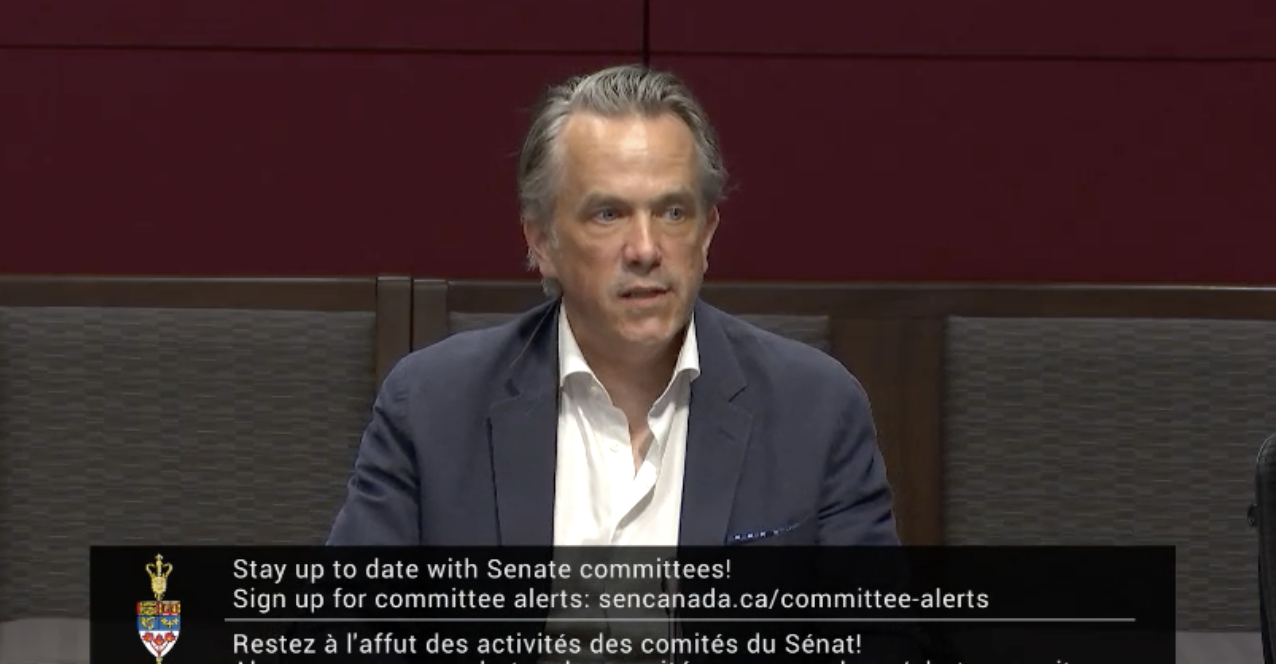
A keynote names the problem. For organizations where recognition needs to become operating practice, we bring decades of strategic communications counsel — earned with governments, corporations, and international NGOs. The work has to be done before the moment arrives.
Strategic Communications
- Crisis preparedness & spokesperson prep
- Executive visibility & positioning
- Stakeholder messaging & narrative architecture
- Standing counsel
Delivered through Mission A Communications.
Book a keynote, a briefing, or ongoing counsel.
wilf@asklaura.ai
Replies within 24 hours.